New Monday #121
Happy Monday!
Check this out:
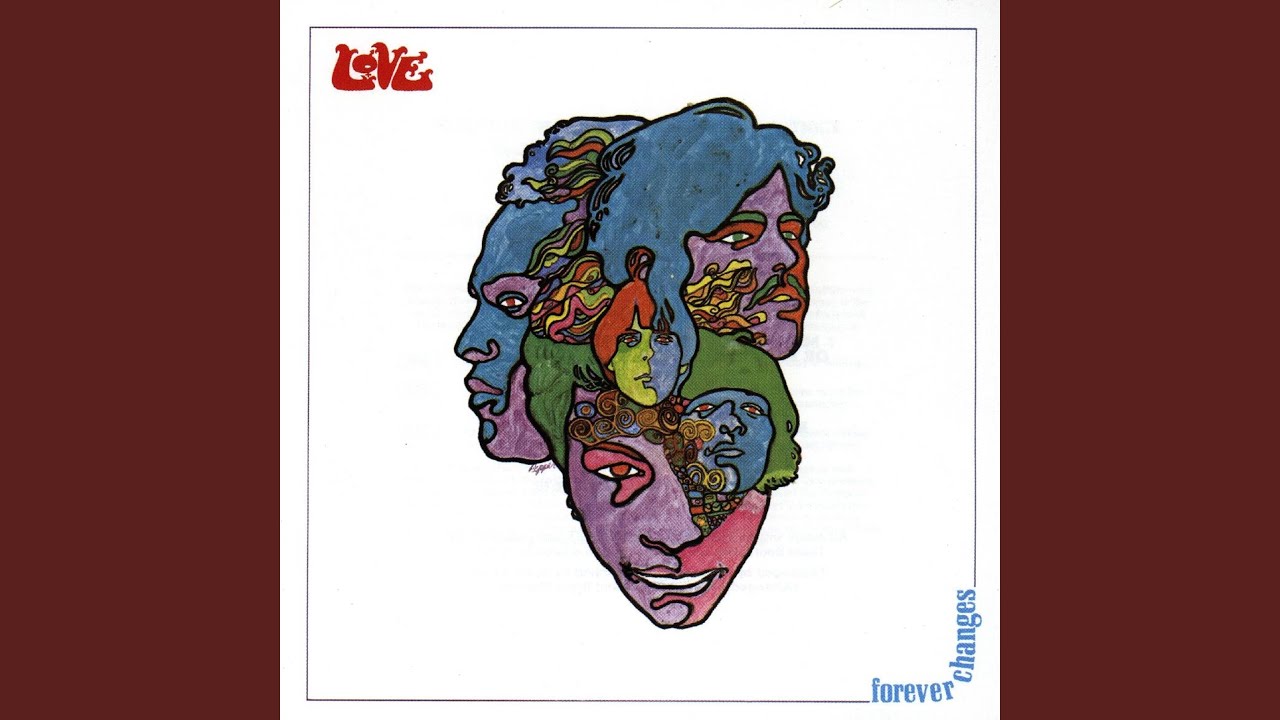
This is Love, from their 1967 album Forever Changes. It's magnificent.
Love and Forever Changes
Love was formed in 1965 in Los Angeles by singer-songwriter Arthur Lee, who was the only consistent member of the group through all its iterations. The classic lineup of Love, the grouping that recorded Forever Changes, had another fabulous songwriter, Bryan MacLean. MacLean wrote the song you just heard, Alone Again Or, which is probably Love’s best known recording. The band didn’t have hits, and while Forever Changes is considered a masterpiece now, it didn’t make much of a commercial impact in 1967.
Bryan MacLean and Arthur Lee clashed—too much talent and ego for one band. MacLean left the group after Forever Changes was released. Love was always a fractious band with a high drug intake. Addiction ravaged the band—they were such a mess that Forever Changes almost didn’t get recorded. Eventually, Lee and others spent time in jail. Of the original lineup, only guitarist Johnny Echols is still alive.
Forever Changes was lushly orchestrated by Lee and arranger David Angel. The gorgeousness of the music contrasts with the somewhat dour lyrics. Happy music with depressing words is a potent combination. There’s a song on it called “Maybe the People Would be the Times or Between Clark and Hilldale."
When I leave now don't you weep for me
I'll be back, just save a seat for me
But if you just can't make the room
Look up and see me on the
Moon's a common scene around my town
Here where everyone is painted brown
And if we feel that's not the way
Let's go paint everybody gray
Yeah, gray, yeahhh
A Latin feel, horns, a flamenco-inspired guitar solo by Johnny Echols, and one of the longest song titles you can stumble into.
Forever Changes was co-produced by Lee and Bruce Botnick, who was the wonderboy of LA engineering in the 60s and 70s. I’ll eventually write a bunch more on Mr Botnick, but let’s drop some names quickly: Pet Sounds and LA Woman.
The record was knocked out at Western Recorders and Sunset Sound in about 60 hours spread across 11 sessions. Multiple songs were cut live in the studio in three hours—this happened when members of the Wrecking Crew were brought in because the boys in Love were such a mess they couldn’t play. They got their act together and played on subsequent sessions. Strings and horns were overdubbed at Sunset Sound in six hours, the entire album mixed in two days on the Sound Techniques console in Sunset Sound’s Studio 2.
Here’s the entire album.
https://youtube.com/playlist?list=PLHIX5OHxFh7ElIuW_QrCP7dcNPLlj6of2&si=W0Hch-7ZlFH-KQYW
For all of its musical complexity, Forever Changes is a simple recording. A superb recording. I’ve been a fan of Bruce Botnick since I first heard this album in college. Repeatedly. I had it on one side of a cassette, and Spirit’s Twelve Dreams of Dr Sardonicus on the other. I listened to both sides of that damn cassette almost every day for two years. I know every note on it.
When I started writing New Monday, Forever Changes was one of the records I wanted to dig into, so I started researching it. What was elusive was the mixing of it. Where was it mixed? On what console? I searched and searched and finally turned up the name Sound Techniques.
What the heck was a Sound Techniques? I'd never heard the name.
Sound Techniques in Los Angeles
What I discovered was on the mind-blowing side of things. This console, that was all but forgotten in the industry, had an inordinate number of iconic albums either recorded or mixed on it. The Beatles, The Rolling Stones, The Doors, Pink Floyd, Elton John, Mott the Hoople, Lou Reed, Genesis and on and on and on. I eventually found a video that explained the history, and I discovered that Sound Techniques was resurrected by an American engineer, Danny White, and was making consoles and equipment again.
This week, here’s a post on Sound Techniques in Los Angeles.
And here is last week’s article on Sound Techniques' beginnings in London.
Tinnitus
Ah, the bane of my existence... and I know some of you suffer from it as well.
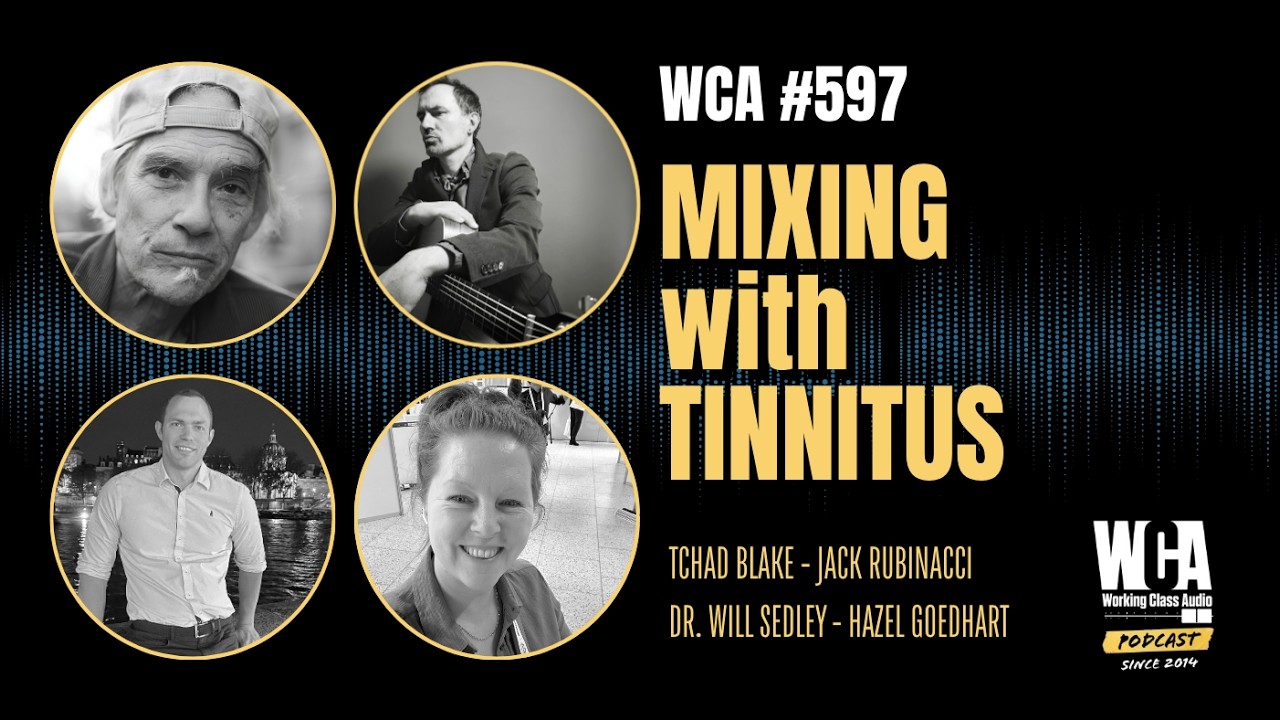
Tchad Blake has had tinnitus since he was a kid shooting guns in the desert near his house. Yet he’s gone on to become, well, TCHAD BLAKE. This video is on mixing with tinnitus, featuring Tchad and some of the staff from Tinnitus Quest. This is a great conversation, full of insights and information, and Tchad is always inspiring and creative, even when he’s talking about bone conduction and whatnot.
We screwed up an email last week, so we set you all a coupon code for the Chocolate Milk. If you didn’t get the coupon, shoot a message to vanessa@korneffaudio.com and she’ll help you out.
That’s it for this Monday. I hope you get to spend some time in the studio this week!
Warm regards,
Luke