
Happy Monday –
I hope you’re having a great start to your week. This week ended on a bit of a sad note. Producer and Engineer Dave Jerden died, as did singer and icon Marianne Faithfull.
Dave Jerden
Mr. Jerden died on February 5th in his sleep, a quiet and peaceful ending for a very decent man who lived up to his values.
He lived low key, especially in the past decade or so, when he seemed to have had enough of the music business. Mr. Jerden wanted to make work that mattered and not just churn out records. In his own words: “I found myself making corporate-type records and feeding the radio machine, I realized that I lost my bearings. I wasn’t making records for the right reasons anymore.”
He spent most of the 80s and the 90s, though, doing exactly what he wanted to do, working with artists he respected, and producing and engineering albums that were often seminal in their respective genres. Engineering and mixing Talking Heads’ Remain in Light in 1980, and then a decade later producing Alice In Chains‘ Dirt? And in between debuting Jane’s Addition, The Red Hot Chili Peppers (Jerden engineered their debut and mixed their breakthrough album Mother’s Milk), Herbie Handcock (the Future Shock album), a great Canadian band 54-40, Fishbone, Social Distortion, The Rolling Stones (Dirty Work), Mick Jagger (his first solo album), Mary’s Danish (a GREAT mostly forgotten group).
Hard to imagine the same guy did Once in a Lifetime and Them Bones. Dang, even if that was it, it would be a hell of a career.
Dave kept cursing on, racking up records for Love Spit Love, The Offspring, Anthrax, Sweet Water, Stabbing Westward, and The Shrine.
One could argue that the early 90s was a golden era for audio recording. Analog technology was superb, with great sounding tape decks and consoles, big studios with excellent acoustics, wonderful outboard gear that wasn’t yet ridiculously expensive, and perhaps most importantly, bands that could play live, singers that could really sing, and solid songwriting. This was a time before the ridiculous “loudness wars” and the fetishization of compression. I love the sound of records from this era: punchy and huge, yet clear with space and distance, and dynamics. One could argue that Dave Jerden was the sound of the early 90s, especially when it came to rock.
Mr. Jerden’s records are characterized by a certain perfect restraint. Everything is tracked well, mixed tightly and with great care. His stuff is like eating at a restaurant that really understands ingredients. There’s wonderful balance of everything. Nothing is too much or too little. Think “basil,” and then you can taste it. Same thing on a Jerden record: think “bass” and there it is; think “vocal reverb” and there it is. There’s distorted sludge everywhere. There’s wonderful articulation of everything. Not only is there a left and right to things, there’s a front to back. Marvelous stuff.
The big question is how did he do this? Well, top-notch engineering, for starters. In this Q&A on Gearspace, he goes into great detail about everything: from mic choices to placement to outboard to EQ settings. It’s a written masterclass and a must-read.
Mr Jerden was also musical. He always had the song at the center of his thinking and the comfort and contribution of the musicians. His dad was a jazz player and he was a player as well until his mid-twenties, when he decided to take up engineering and went to school for it. Although he stopped playing, he never stopped being a player. Here’s another wonderful interview in which he gets into the weeds about everything engineering and producing.
There’s a tremendous sense of generosity in a Dave Jerden interview. He lavishes praise on people, freely gives away techniques and tips. That generosity seems a key theme in his life. This post by producer Michael Beinhorn has been making the rounds on Facebook. You might have read it; if not, here it is. It’s a summation of a man.
We put together a Dave Jerden playlist. I’m going to listen to all of this stuff for the week.
Marianne Faithfull
That Marianne Faithfull made it to 78 seems a miracle. Tuberculosis as a little girl. The drugs. Homelessness. Anorexia. Alcoholism. Falling down stairs and breaking her jaw. Losing her children. Bleak, bleak, bleak.
Her career started in 1965 with the single As Tears Go By, which was a hit for her as well as The Rolling Stones a year later – it was a Jagger/Richards composition. The orbit of the Stones in the 60s involved a lot of drugs. Ms. Faithfull was by 1970 homeless on the streets of London.
She continued to make records, usually singing other people’s songs. Her career went up and down, perhaps peaking with the album Broken English in 1979. A dark song made all the more intense by Ms. Faithfull’s now broken voice, Broken English was a surprisingly modern record and a touchstone for many artists as punk turned into New Wave. It earned her a Grammy award nomination.
Perhaps in keeping with her Austrian roots, Ms. Faithfull settled into something somewhere between pop and cabaret. Her voice, damaged and deepened by years of hard life, was expressive and compelling. She found good material and often good material found her. She cut vocals on records for Roger Waters, Hal Wilner, Rupert Hine, film composer Angelo Badalamenti, John Prine, and Metallica. On her own records, she recorded songs written by Berthold Brecht and Kurt Weill to Beck, Billy Corgen and Morrissey. She has an astonishing body of work.
For special consideration: a video from 1996. She performs a Harry Nilsson tune Don’t Forget Me. Harry’s own version destroyed his voice — he blew it out under the exhortations of producer John Lennon and it never came back. Ms. Faithfull’s version is faithful to the original. In the video she’s chic and beautiful, and ever the story teller.
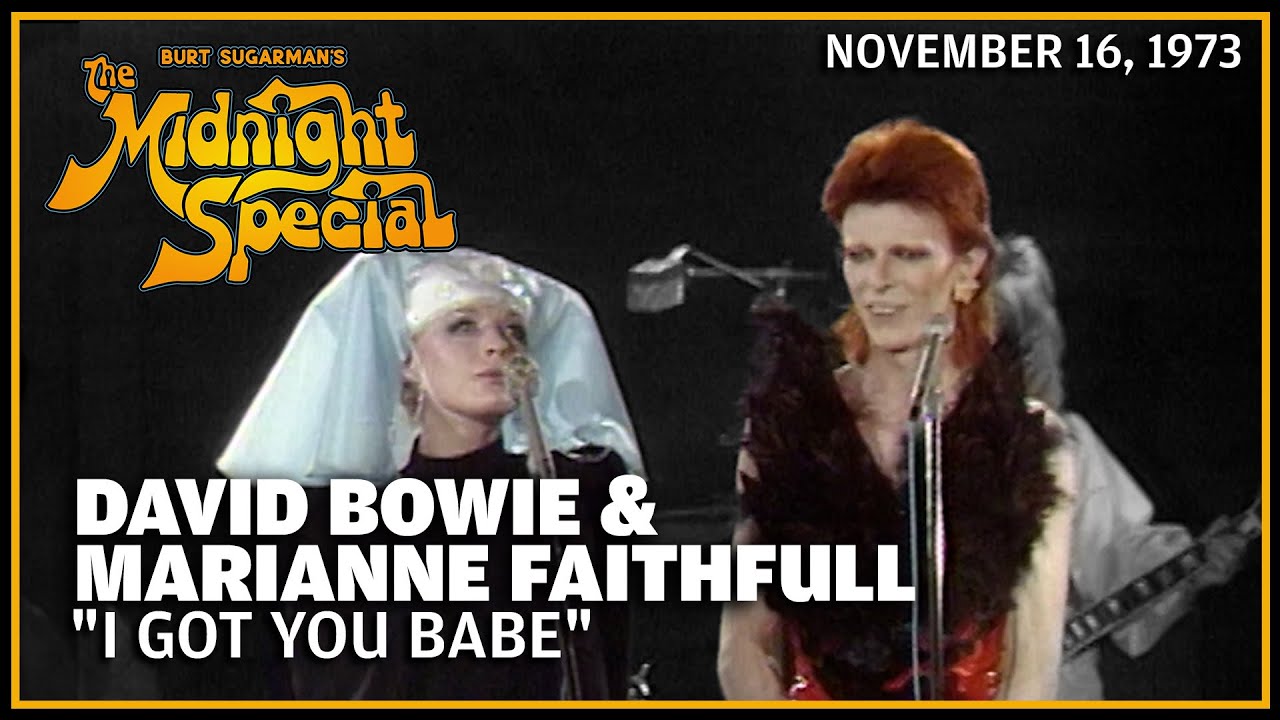
Here are some videos from across the span of her career. Note the Sonny and Cher song – a duet with Bowie, and some Metallica!


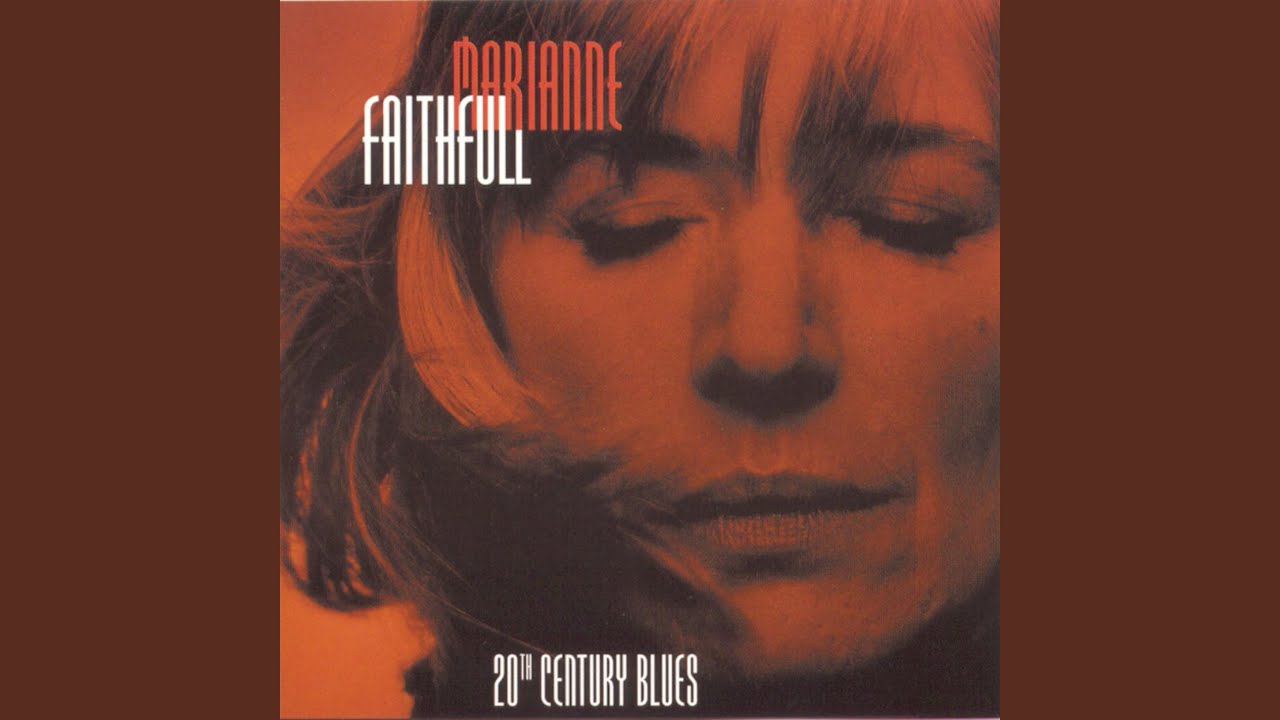
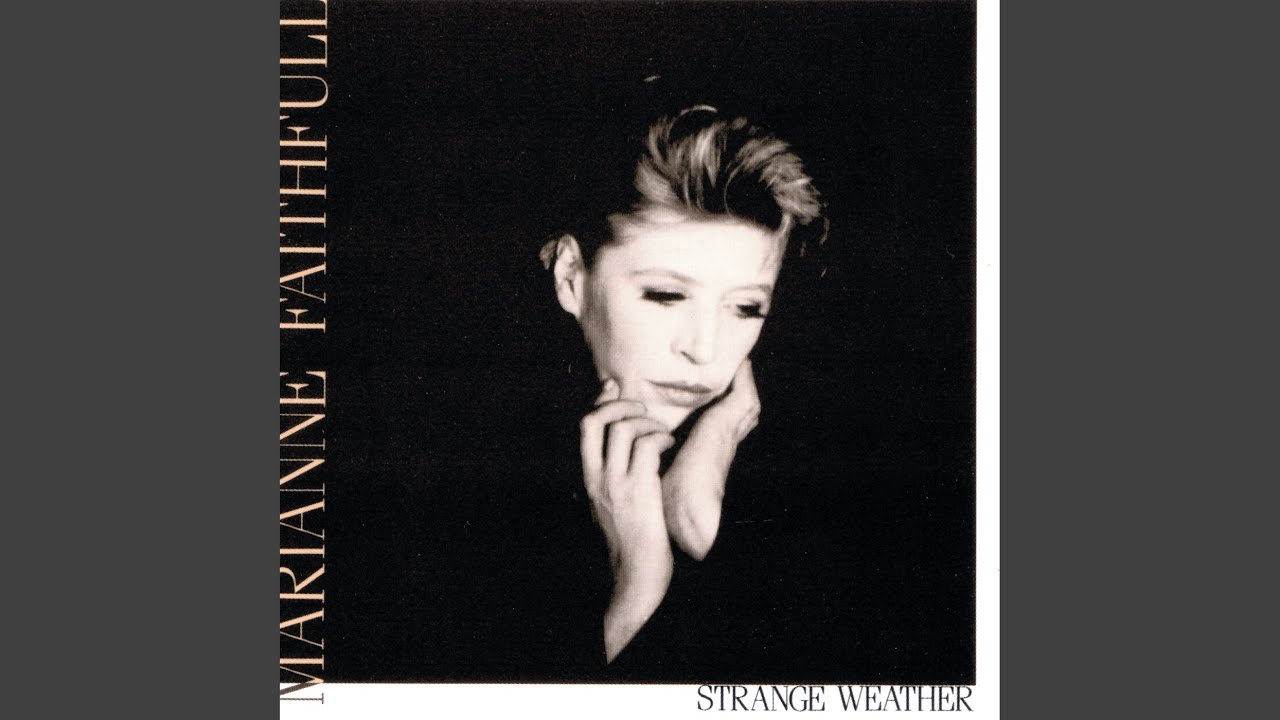
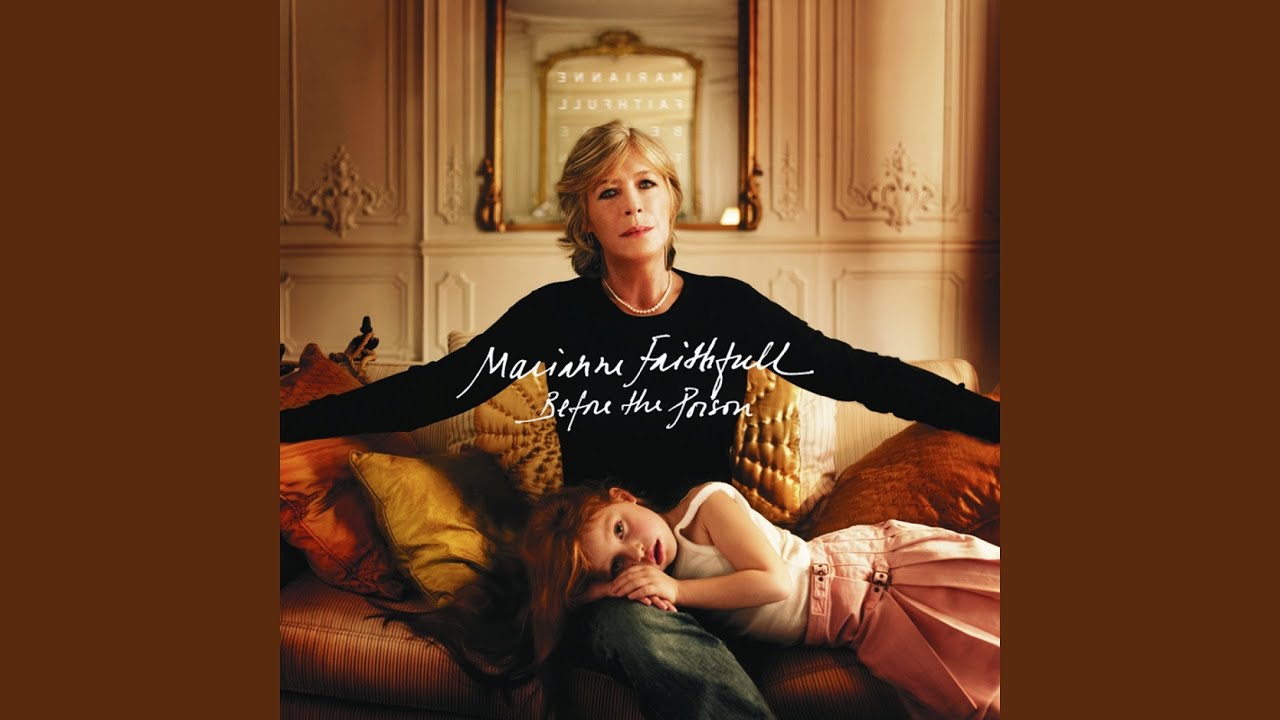


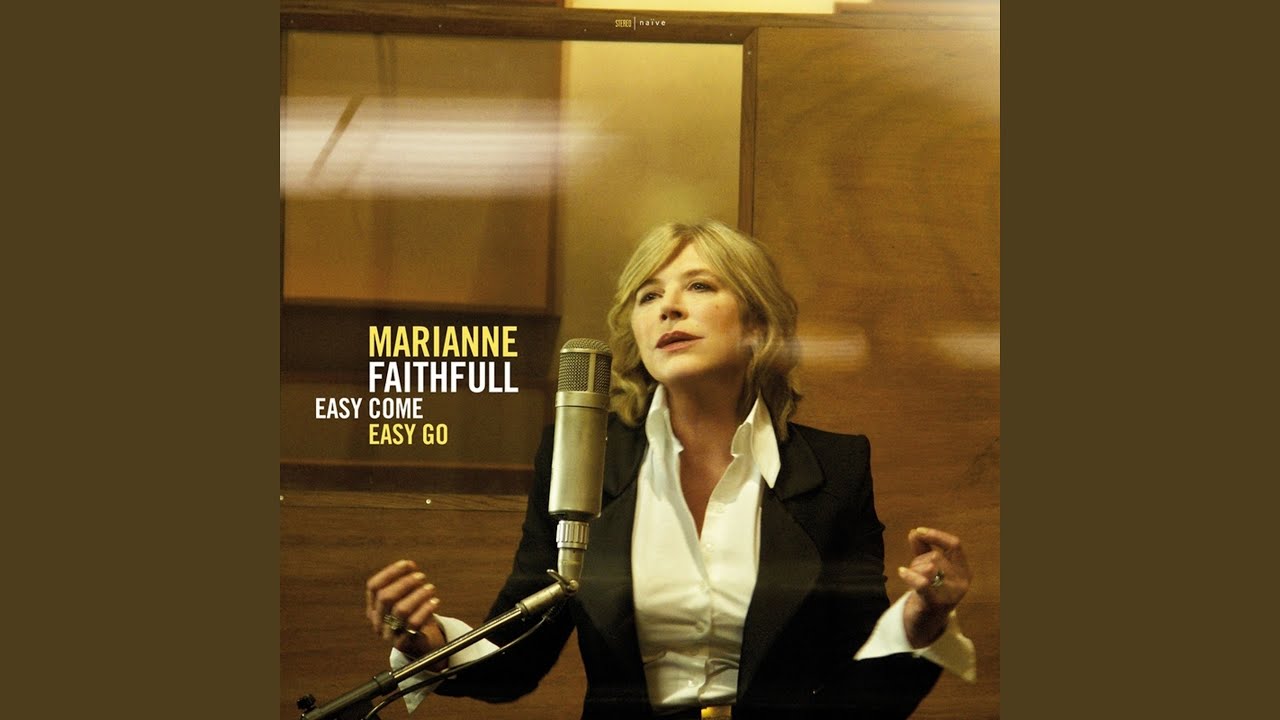
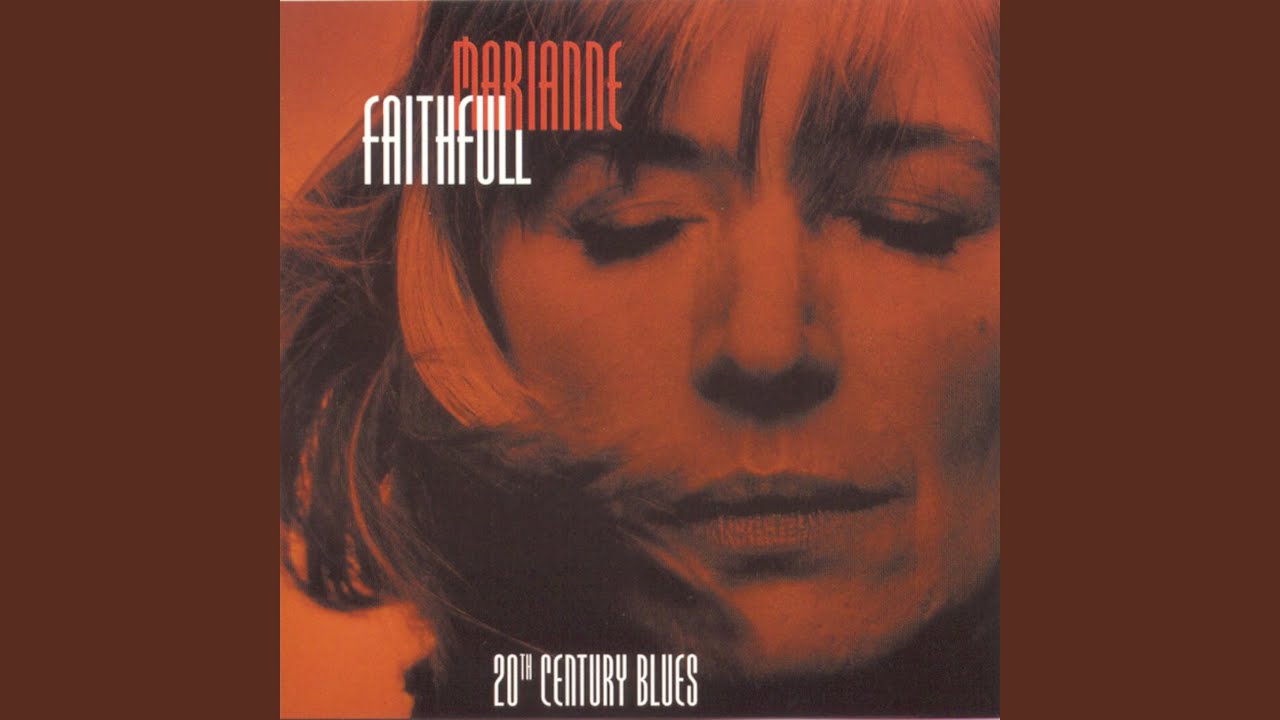
A good way to spend a wet winter day would be with Marianne Faithfull singing achingly in the background.
This is New Monday #52. It is an anniversary of sorts. I’ll have to figure out a way to celebrate in the next episode; it would be morbid to throw a party considering the content of this issue. I hope to get into some deeper ideas on production soon. There’s so much music, and evidently so little time.
I appreciate all the positive feedback I’ve gotten for New Monday across the year. Love hearing from you all.
Here’s to another 52!
Warm regards,
Luke