Amplified Instrument Processor 02 - Cleaning up problems using the hi-pass and low-pass filters
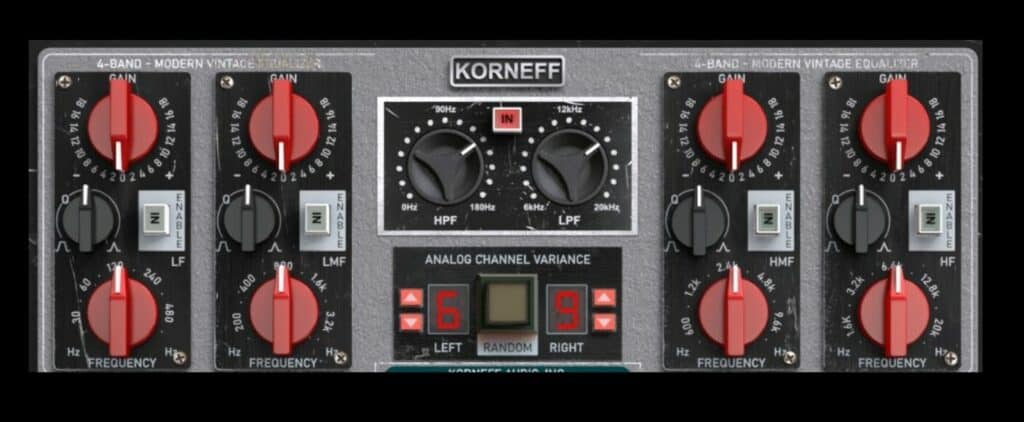
You have the PSP set, the next thing we typically do is play with the filters.
Why?
Our thinking has always been "get rid of what sucks first, and then everything will sound better." The filters get rid of stuff that you don't need and that clogs up the mix.
There have been things on the Internet about how you should NEVER use pass filters, that they cause all sorts of phase shifts and make things sound awful yada yada yada. Bollocks, I tell you, bollocks.
First of all, pass filters are EVERYWHERE in equipment and circuits, so if they were making things sound awful, then they've been doing that for decades. Speaker crossovers are pass filter networks. Microphones have pass filters in them. They are not some great evil.
A high pass filter rolls off low frequencies, and a low pass filter rolls off high frequencies. Here's why you want to get rid of some of that stuff:
Our ears have frequency response range roughly from 20Hz to 20,000 Hz. We want our gear to be able to reproduce that range of frequencies accurately. Let's say there's a big transient down at 12Hz that goes slamming through the piece of gear. Your ear won't hear that, but the amplifier will try to reproduce it, and in doing so, it will use up all its headroom, which adds distortion to the audible range of things the gear is trying to accurately reproduce. Doesn't getting rid of that crap at 12Hz, by using a high pass filter, sound like a good idea?
Do you want a compressor triggering on sub-harmonics rather than parts of the sound you can actually hear? You don't? Me neither. Roll that stuff off.
A practical example: you're mixing a guitar part and there are all sorts of low resonances from the cabinet. These are below any notes the guitar is playing; they're in the range where the bass is, or the kick is. Why have them? Roll them off to clean up down there, and provide some room for the bass and the kick.
Usually, you'll be using high pass filters, but low pass filters are nice for getting rid of annoying high frequency stuff, like finger noise or cymbal stuff that just gets everywhere, and makes the high end sound like hash.
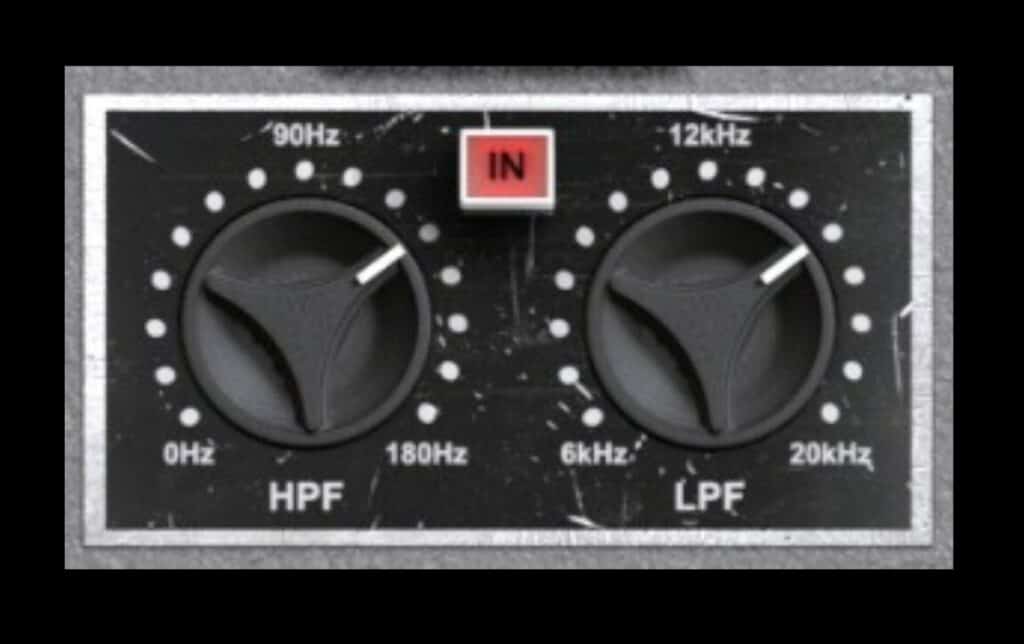
To use, pop in the filters and turn the HIGH PASS FILTER clockwise to get rid of that low stuff. I typically turn it up until I hear an effect and then drop it down by an octave. So, if I hear it at 250Hz I'll drop the setting to around 125Hz. on the LOW PASS FILTER, I'll edge that in a bit on low things, like the kick (it is good for getting rid of cymbal chiff and bleed), the bass.
As the mix continues I'll readjust these things a lot, usually pulling a bit more out as things get full and the mix gets crowded.NOW, some very famous engineers with great ears hate pass filters. Ok. You can hate them too. I've done thousands of sessions, and no one ever said, "Luke, what the hell did you do? That vocal is a mess! Do you have a pass filter on it screwing up the phase response, you miserable slob?"
I've never been called a miserable slob in the studio at least. ; )